Preventing and Treating Pickleball Elbow: The Ultimate Guide
Understanding Pickleball Elbow
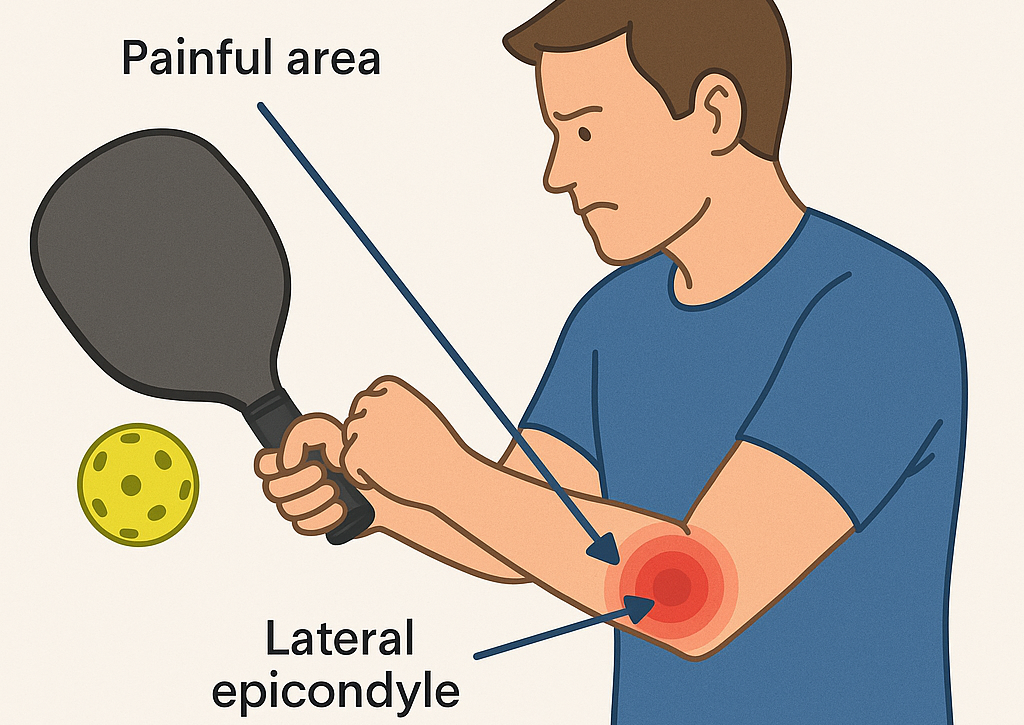
Pickleball elbow is a common overuse injury that affects players of all skill levels. It’s characterized by pain on the outer part of the elbow, caused by repetitive motions during play. If you’re feeling discomfort, don’t ignore it! Here’s how to prevent and treat this injury effectively.
Prevention Strategies
1. Proper Grip and Technique
- Grip Size: Use a paddle that suits your hand size. A grip that’s too small or too large can strain your muscles.
- Technique: Focus on using proper form. Ensure your strokes are fluid and controlled rather than forceful.
2. Warm-Up and Stretching
- Dynamic Warm-Up: Always start with a warm-up. Simple arm circles and wrist flexor stretches can prepare your muscles.
- Stretch After Play: Post-game stretching helps maintain flexibility. Target your forearms and shoulders specifically.
3. Equipment Choices
- Paddle Weight: Lighter paddles (6.5-7.5 oz) are easier on your arm, especially for beginners.
- Face Material: Composite paddles tend to absorb more shock than wooden ones, reducing stress on your elbow.
- Core Thickness: A thicker core can provide better shock absorption.
4. Play Smart
- Rest Days: Incorporate rest days into your schedule to let your muscles recover.
- Alternate Activities: Mix in other sports or exercises that don’t strain your elbow, like swimming or cycling.
Treatment Options
1. Immediate Care
- RICE Method: If you experience pain, use Rest, Ice, Compression, and Elevation to manage inflammation.
- Over-the-Counter Pain Relief: NSAIDs like ibuprofen can help ease pain and swelling.
2. Physical Therapy
- Consult a Professional: A physical therapist can provide tailored exercises to strengthen your forearm muscles.
- Stretching Regimen: Regular stretching of the wrist and forearm can promote healing.
3. Gradual Return to Play
- Start Slow: Once pain subsides, gradually reintroduce pickleball, starting with light hitting.
- Monitor Pain Levels: Pay attention to discomfort. If pain returns, reassess your technique or take more time off.
4. Advanced Treatments
- Corticosteroid Injections: If pain persists, consult a doctor about injections to reduce inflammation.
- Surgery: In rare cases, surgical intervention may be necessary for severe cases.
Key Takeaways
- Always prioritize prevention over treatment.
- Focus on proper equipment, warm-ups, and technique.
- Don’t hesitate to seek professional help if pain persists.
Remember: Staying proactive about your elbow health can keep you on the court longer!
Ready to upgrade your game?
Browse top-rated pickleball gear with free delivery on eligible orders.
Frequently Asked Questions
Q: How do I know if I have pickleball elbow?
A: Symptoms include pain on the outer elbow, weakness in grip, and discomfort when lifting objects.
Q: Can I play through the pain?
A: It’s not advisable. Playing through pain can worsen the injury.
Q: How long does recovery take?
A: Recovery varies, but with proper care, mild cases can improve in a few weeks.
Q: What type of paddle is best for preventing pickleball elbow?
A: Look for lightweight paddles with a composite face and a thicker core for better shock absorption.
Q: Should I see a doctor or a physical therapist?
A: If pain is persistent or severe, consult a healthcare professional for an accurate diagnosis and treatment plan.