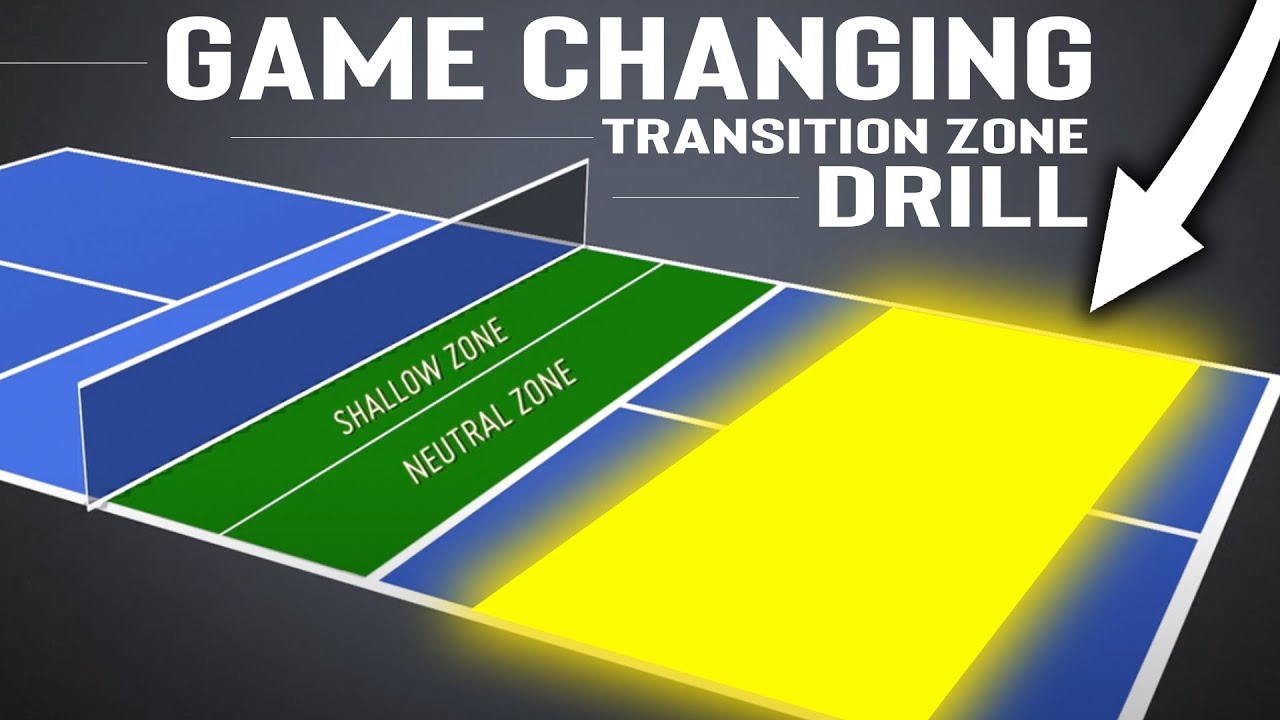
Understanding the Transition Zone
The transition zone is the area between the no-volley zone (kitchen) and the baseline. Mastering this area can significantly elevate your game. This zone is crucial for setting up plays and responding effectively to your opponent’s shots.
Why Focus on the Transition Zone?
- Strategic Advantage: Controlling this zone allows you to dictate play.
- Positioning: Good positioning here prepares you for both offensive and defensive shots.
- Set Up Winning Shots: Use this zone to set up your next moves.
Key Strategies for Mastering the Transition Zone
1. Maintain a Strong Ready Position
Stay alert and ready! Your body should be poised to move in any direction.
- Feet shoulder-width apart
- Knees slightly bent
- Paddle up and in front
2. Anticipate Opponent’s Shots
Watch your opponent’s body language and paddle position to predict their next move. This allows you to:
- Get into position quickly
- Prepare for a volley or groundstroke
3. Master the Short Game
When transitioning, focus on drop shots and dinks. These shots can effectively disrupt your opponent’s rhythm.
- Drop Shot: Use when your opponent is at the baseline.
- Dink: Use to keep the ball low and force errors.
4. Use Effective Footwork
Good footwork is essential. Here’s how:
- Side Shuffle: Move side to side to cover the transition zone.
- Crossover Step: Use this for quick changes in direction.
- Stay Light on Your Feet: This will help with quick reactions.
5. Control the Pace
Speed up or slow down the game when in the transition zone. Vary your shots to keep your opponent guessing.
- Mix in lobs, volleys, and groundstrokes.
- Change the rhythm to disrupt your opponent’s timing.
6. Communicate with Your Partner
If you’re playing doubles, communication is key. Use simple signals to:
- Indicate who will take the shot
- Call for help when needed
Practicing Your Transition Zone Skills
Drills to Enhance Your Skills
- Transition Zone Drill: Stand in the zone and have a partner hit balls to you. Practice returning shots while staying in position.
- Dinking Drill: Practice dinking back and forth with a partner to improve control.
- Volleys from the Transition Zone: Have your partner feed you balls to volley from the transition zone.
Equipment Recommendations
When practicing, using the right gear is essential. Consider:
- Paddle Weight: Choose a paddle that feels comfortable in your hand (usually between 7-9 ounces).
- Face Material: Look for paddles with a composite face for better control.
- Core Thickness: A thicker core can provide better power and control.
Check out options from brands like Selkirk and Joola on Amazon for quality paddles and accessories.
Ready to upgrade your game?
Browse top-rated pickleball gear with free delivery on eligible orders.
Conclusion
Mastering the transition zone is a game-changer in pickleball. By focusing on your positioning, shot selection, and communication, you can control the pace of the game and set up winning opportunities.
Frequently Asked Questions
Q: What is the transition zone in pickleball?
A: It’s the area between the no-volley zone and the baseline, crucial for setting up shots.Q: How can I improve my skills in the transition zone?
A: Practice drills focused on dinks, volleys, and maintaining a strong ready position.Q: What type of paddle is best for playing in the transition zone?
A: Look for a paddle that feels comfortable, with a composite face and a thickness that suits your playing style.Q: Should I communicate with my partner during doubles?
A: Absolutely! Clear communication can make a significant difference in your team’s performance.