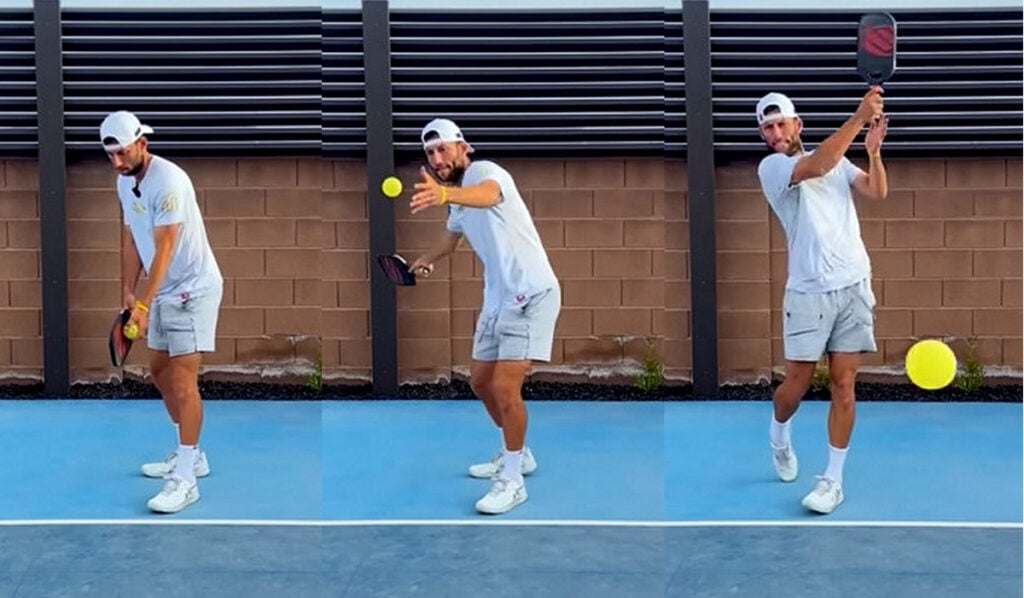
Mastering the Pickleball Body Shot Defense: A Complete Guide
Body shots in pickleball can catch even the most seasoned players off guard. Don’t let them ruin your game! Whether you’re a beginner or an advanced player, mastering your defense against body shots is crucial for elevating your performance. Let’s dive in!
Understanding Body Shots
Body shots are hitting the ball directly at your body. They can be tricky because they force you to make quick decisions and often compromise your stance. Here’s how to handle them effectively:
Why Body Shots Are Effective
- Disruption of Rhythm: Body shots can throw off your timing and positioning.
- Limited Reaction Time: They require a quick response, which can lead to mistakes.
- Unpredictable Angles: Aiming for your body makes it harder to anticipate where the ball will go.
Preparing for Body Shots
Preparation is key! Here’s how to set yourself up:
– Maintain a Balanced Stance: Keep your feet shoulder-width apart to pivot quickly.
– Stay Low: Bend your knees slightly to lower your center of gravity.
– Watch the Ball: Always track your opponent’s paddle and the ball’s trajectory.
Defensive Techniques Against Body Shots
1. The Pivot and Strike
- Step to the Side: Quickly pivot to either side, allowing you to reposition your paddle for a solid return.
- Face the Shot: Turn your body to face the ball, using your legs for power.
2. The Block
- Use a Firm Paddle: Hold your paddle out in front of you to absorb the shot. This is particularly effective for hard hits.
- Angle Your Paddle: Adjust the angle slightly to direct the ball back to your opponent’s side.
3. The Soft Return
- Use a Gentle Touch: If the shot comes at you with less speed, consider a soft return to place the ball strategically.
- Aim for Open Spaces: Look for gaps in your opponent’s positioning to make your return less predictable.
Practicing Your Defense
To improve your defense against body shots, try these drills:
– Partner Drills: Practice with a partner who aims body shots at you. Focus on your footwork and paddle positioning.
– Wall Drills: Hit the ball against a wall and practice moving to intercept it as it comes back at you.
– Reaction Drills: Use a tennis ball or pickleball machine to simulate unpredictable shots.
When to Use Counterattacks
Sometimes the best defense is a good offense. Here’s when to counterattack:
– If you see your opponent is off-balance after their shot.
– When you anticipate a slower return and can set up your own aggressive play.
Gear Recommendations
Selecting the right gear can enhance your performance:
– Paddle Weight: Choose a paddle that balances power and control. Generally, a medium weight (7.5-8.5 ounces) is ideal for beginners.
– Face Material: Look for paddles with a composite or graphite face for better ball control.
– Core Thickness: A thicker core (around 0.5 inches) can provide better shock absorption, making it easier to handle body shots.
Consider checking out options from brands like Selkirk and Joola on Amazon for quality paddles that fit your style.
Conclusion
Mastering body shot defense in pickleball is essential for improving your overall game. With practice and the right techniques, you can turn potential weaknesses into strengths. Remember to stay alert, maintain a solid stance, and always be ready to pivot!
Pro Tip: Stay mentally focused. Anticipation and quick decision-making are your best allies against body shots.
Ready to upgrade your game?
Browse top-rated pickleball gear with free delivery on eligible orders.
📚 Related Articles
Frequently Asked Questions
Q: What’s the best way to practice against body shots?
A: Partner drills and wall drills are highly effective for simulating body shots.
Q: Should I change paddles for better body shot defense?
A: If your current paddle feels unresponsive, considering a new paddle with a better grip and weight can help.
Q: How can I anticipate body shots better?
A: Keep your eyes on your opponent’s paddle and body language to get cues on where they might hit the ball.
Q: Is it better to attack or defend against body shots?
A: It depends on your positioning. If you’re off-balance, focus on defense; if you’re set, consider a counterattack.