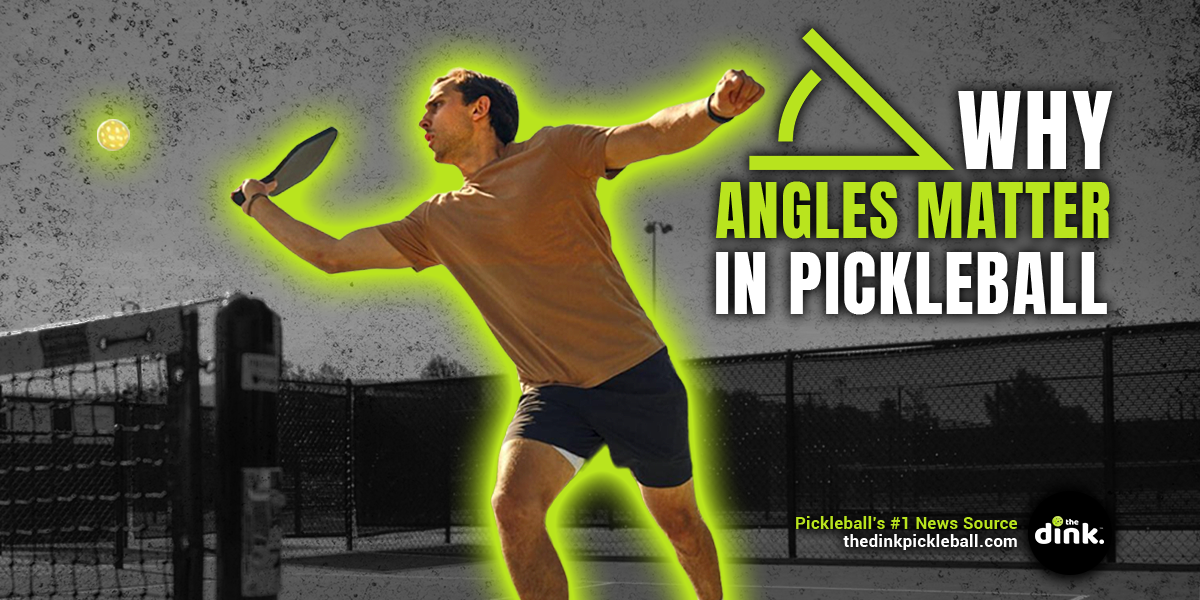
Mastering Paddle Angle: The Key to Winning Pickleball Shots
Understanding paddle angle is crucial for improving your pickleball game. The angle at which you hold your paddle can drastically affect the outcome of your shots. Let’s break down how to use paddle angle effectively for different types of shots.
The Basics of Paddle Angle
What is Paddle Angle?
Paddle angle refers to the tilt of your paddle face when making contact with the ball. It influences:
– Ball trajectory: The path the ball takes.
– Spin: The rotation imparted on the ball.
– Control: Your ability to place the ball accurately.
Key Angles to Know
- Flat Angle (0 degrees): Paddle face parallel to the ground.
- Open Angle (>0 degrees): Paddle face tilted back.
- Closed Angle (<0 degrees): Paddle face tilted forward.
Shot Breakdown by Angle
1. Forehand Drive
- Ideal Angle: Slightly closed (5-10 degrees).
- How to Execute:
- Stand with feet shoulder-width apart.
- Hold the paddle with a firm grip.
- Swing through with a slight angle to drive the ball.
Tip: A closed angle helps keep the ball low and increases power.
2. Backhand Drive
- Ideal Angle: Neutral to slightly closed.
- How to Execute:
- Rotate your hips and shoulders.
- Keep your wrist firm.
- Follow through while maintaining a neutral paddle face.
3. Dinks
- Ideal Angle: Open (15-20 degrees).
- How to Execute:
- Approach the net with a relaxed stance.
- Gently lift the paddle to create a soft touch.
- Focus on a high angle to clear the net without over-hitting.
Tip: The open angle helps you put soft spin on the ball, making it harder for opponents to return.
4. Volleys
- Ideal Angle: Flat to neutral.
- How to Execute:
- Position yourself close to the net.
- Use a quick wrist motion to punch the ball back.
- Keep the paddle face flat to direct your volley.
5. Serves
- Ideal Angle: Open to slightly flat.
- How to Execute:
- Toss the ball high in front of you.
- Make contact with the ball using an open paddle angle for topspin.
- Follow through to maintain control.
Tip: An open angle allows for greater spin and a more aggressive serve.
Adjusting Your Paddle Angle for Spin
Spin plays a vital role in pickleball strategy. Here’s how to adjust your paddle angle for different spins:
– Topspin: Use an open angle to brush up on the ball.
– Backspin: Use a closed angle and hit down on the ball.
– Sidespin: Angle the paddle slightly to the side during contact.
Practice Drills to Master Paddle Angle
- Wall Drills: Hit against a wall, focusing on maintaining the correct angle.
- Partner Drills: Practice different shots with a partner, emphasizing angle changes.
- Shadow Swings: Without a ball, practice swinging with the correct paddle angles to build muscle memory.
Choosing the Right Paddle for Your Game
When selecting a paddle that will help you with angle control:
– Weight: Lighter paddles (6.5-7.5 oz) allow for quicker adjustments.
– Face Material: Composite materials offer better spin potential.
– Core Thickness: Thicker cores (usually 0.5”) provide more power but may reduce control.
Recommendation: Check out popular brands like Joola and Selkirk for paddles that suit your playing style on Amazon or their official sites.
Ready to upgrade your game?
Browse top-rated pickleball gear with free delivery on eligible orders.
📚 Related Articles
Frequently Asked Questions
What is the best paddle angle for beginners?
Start with a neutral angle to develop consistency before experimenting with open and closed angles.
How does paddle angle affect spin?
A more open angle creates topspin, while a closed angle generates backspin. Adjust your angle based on the desired effect.
Can I change my paddle angle mid-game?
Absolutely! Being able to adapt your paddle angle based on the situation is key to becoming a versatile player.
How often should I practice my paddle angle?
Aim to practice your paddle angles during every session, focusing on different shots and spins.
Mastering your paddle angle can elevate your pickleball game to new heights. Go out there and practice these techniques, and you’ll see the results on the court!