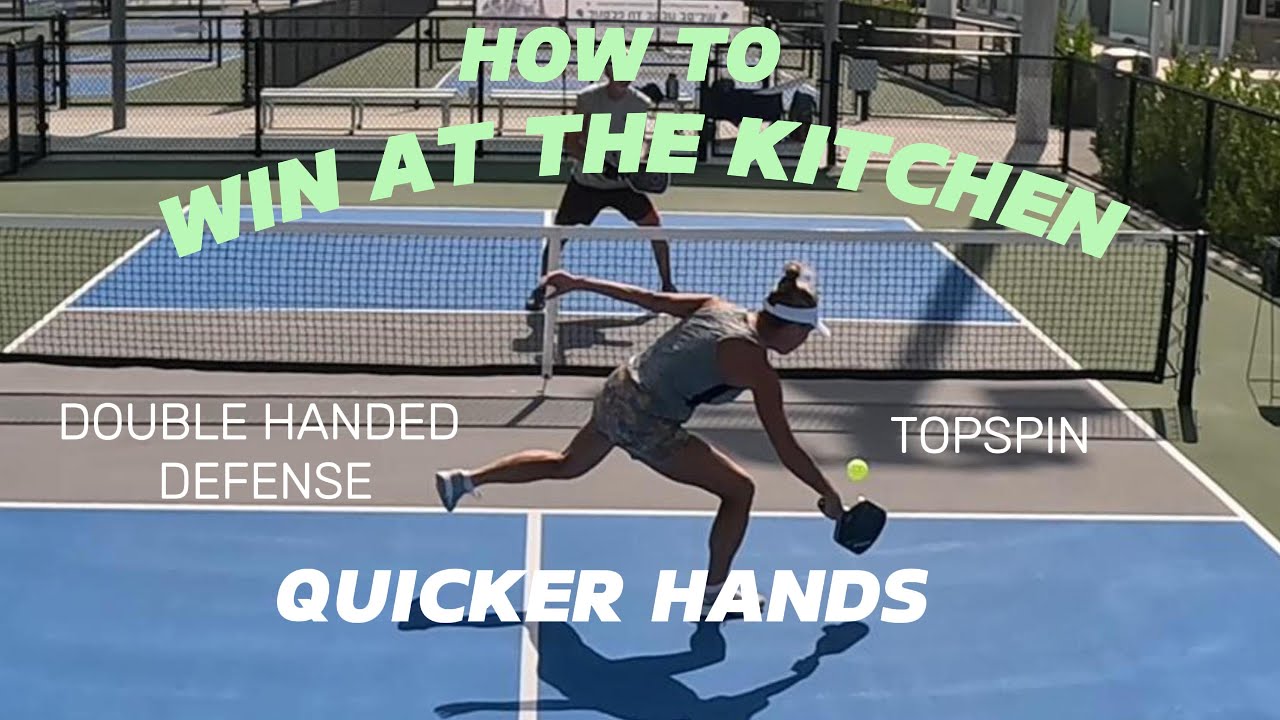
Why the Kitchen Line Matters
Moving to the kitchen line is crucial for controlling the game. This area, also known as the non-volley zone, is where you can dominate with your volleys and put pressure on your opponents. Here’s how to navigate it like a pro!
The Importance of Footwork
Efficient movement starts with footwork. Good footwork allows you to reach the kitchen line quickly and maintain balance.
Key Footwork Techniques:
- Side Shuffle: Keep your knees bent and slide sideways to the line. This is faster and keeps you balanced.
- Crossover Step: For longer distances, use a crossover step to gain speed without losing control.
- Split Step: As your opponent hits the ball, perform a split step to prepare for your next move. This helps you react more swiftly.
Timing Your Move
Timing is everything! You want to move to the kitchen line before your opponent’s shot reaches you. Here’s how to gauge your timing:
- Observe Your Opponent: Watch their paddle position and body language. If they’re preparing for a shot, it’s time to move!
- Anticipate the Ball’s Trajectory: Know where the ball is likely to go. If it’s coming high, start your approach earlier.
- Use the Bounce: If the ball bounces, take a step towards the kitchen line after your opponent hits.
The Approach Shot
Your approach shot sets the tone for your move to the kitchen. Here’s what you need to know:
– Hit Deep: Aim for a deep shot to push your opponent back, making your approach easier.
– Angle Your Shot: Use angles to create opportunities for yourself. This can open up space for you to move forward.
Positioning at the Kitchen Line
Once you reach the kitchen line, positioning is key:
– Stay Low: Keep your knees bent and stay low for better balance and quicker reactions.
– Ready Position: Hold your paddle up and in front of you. This allows for quick volleys.
– Spacing: Maintain appropriate spacing from your partner and the net. This helps you cover the court effectively.
Practicing Your Movement
To become a master of moving to the kitchen line:
– Drills: Practice footwork drills that emphasize movement and positioning. Use cones or markers to help with targeting.
– Game Scenarios: Play practice games focusing solely on your movements to the kitchen line, ignoring scorekeeping.
– Watch the Pros: Observe professional matches and pay attention to how they move to the kitchen line.
Conclusion
Mastering your movement to the kitchen line can elevate your pickleball game significantly. By focusing on footwork, timing, approach shots, and positioning, you’ll find yourself dominating the court more effectively.
Ready to Gear Up?
To maximize your performance, invest in quality gear. Look for paddles that suit your style — check out options like Selkirk or Joola on Amazon!
Ready to upgrade your game?
Browse top-rated pickleball gear with free delivery on eligible orders.
📚 Related Articles
Frequently Asked Questions
Q: What is the kitchen line?
A: The kitchen line is the non-volley zone that extends 7 feet from the net where players cannot hit volleys.Q: How do I practice moving to the kitchen line?
A: Set up drills that focus on footwork and practice your approach shots.Q: What type of paddle is best for beginners?
A: Look for lightweight paddles with a comfortable grip; brands like Selkirk and Joola offer great options.Q: Should I always rush to the kitchen line?
A: Not always! Assess the situation and only move up when it’s safe to do so. Timing is key.