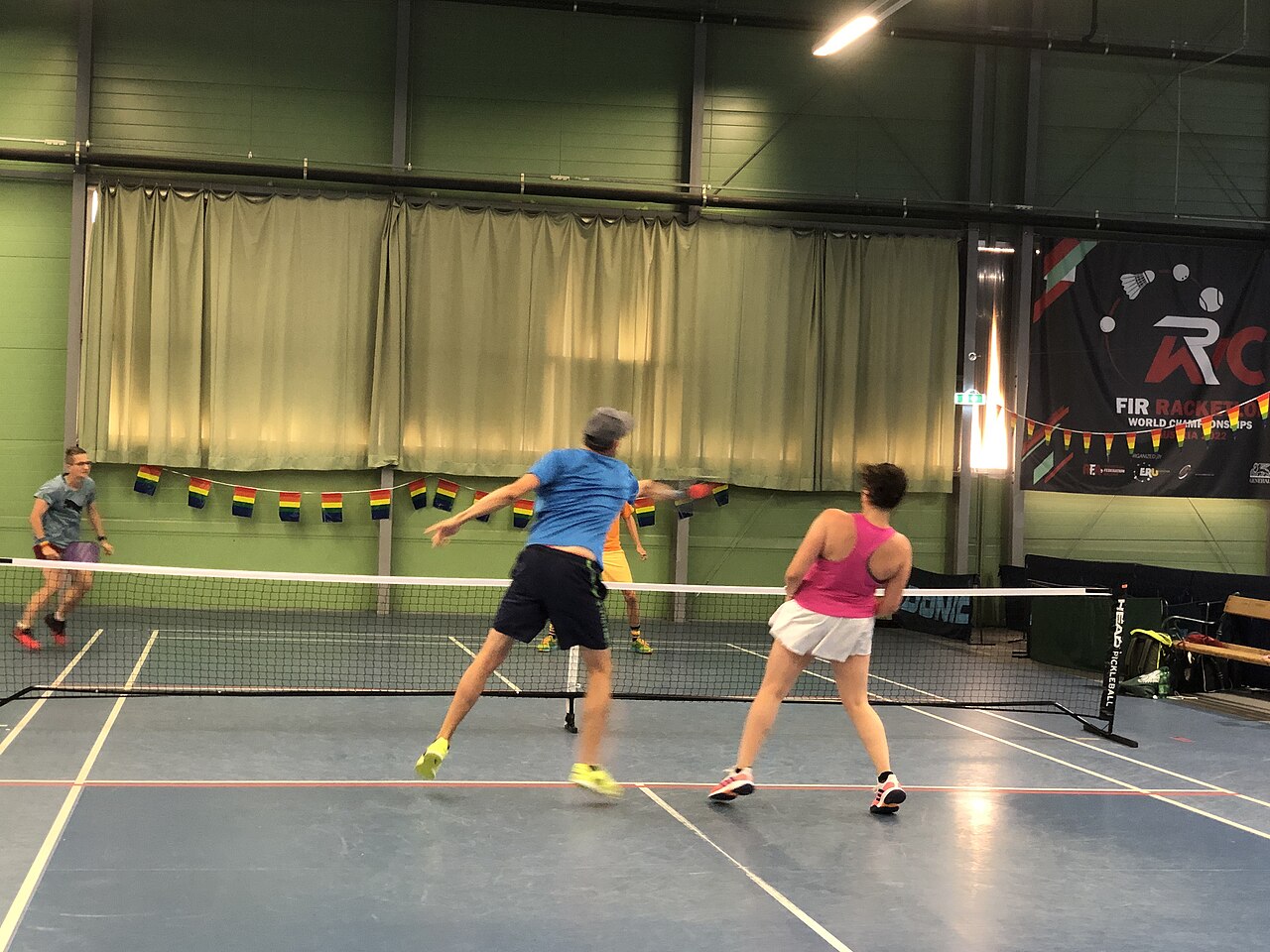
Why Host a Pickleball Clinic?
Running a pickleball clinic is an excellent way to share your passion for the game while helping others improve their skills. Whether you’re a beginner or an advanced player, a well-structured clinic can be both fun and educational. Let’s dive into how you can make your clinic a success!
Planning Your Clinic
1. Define Your Audience
- Beginners: Focus on fundamentals like grip, stance, and basic shots.
- Intermediate Players: Teach strategies, shot placement, and positioning.
- Advanced Players: Explore advanced techniques and competitive strategies.
2. Set Clear Objectives
- What do you want attendees to learn?
- Establish specific skills or knowledge they should gain by the end.
3. Choose a Suitable Location
- Look for courts with adequate space and facilities.
- Ensure easy access for participants.
- Consider the weather for outdoor clinics.
4. Schedule Your Clinic Wisely
- Pick a time that works for most players (weekends or evenings).
- Don’t forget to account for local pickleball events or tournaments to avoid conflicts.
Designing Your Curriculum
5. Structure the Clinic
- Introduction (10 minutes): Welcome participants and set expectations.
- Warm-Up (15 minutes): Include basic stretching and light drills.
- Skill Development (40 minutes): Break into segments focusing on different skills (serving, volleying, etc.).
- Game Play (30 minutes): Organize friendly matches to apply learned skills.
- Q&A Session (15 minutes): Open floor for questions and tips.
6. Create Engaging Drills
- Use drills that cater to different skill levels:
- For Beginners: Simple ball toss, target practice.
- For Intermediate: Partner drills focusing on shot placement.
- For Advanced: Situational drills to improve decision-making.
7. Gather the Right Equipment
- Ensure you have:
- Paddles: Enough for everyone; consider lending some if needed.
- Balls: Use quality pickleballs for optimal performance.
- Nets: Check for proper height and tension.
Marketing Your Clinic
8. Promote Effectively
- Use social media platforms for outreach.
- Create flyers to distribute in local clubs and community centers.
- Consider partnering with local sports shops for cross-promotion.
9. Set a Fair Price
- Research similar clinics in your area.
- Offer early bird registration discounts to encourage sign-ups.
Execution Day
10. Arrive Early
- Set up the courts and equipment before participants arrive.
- Ensure everything is in place for a smooth start.
11. Be an Engaging Instructor
- Use positive reinforcement to motivate participants.
- Be approachable and make sure everyone feels included.
12. Follow Up
- After the clinic, send a thank-you email to participants.
- Ask for feedback to improve future clinics.
- Consider offering ongoing classes or clinics to keep players engaged.
Conclusion
Running a successful pickleball clinic workshop requires thoughtful planning, engaging content, and effective marketing. By following these actionable steps, you’ll not only help others improve their game but also foster a vibrant pickleball community.
Ready to upgrade your game?
Browse top-rated pickleball gear with free delivery on eligible orders.
📚 Related Articles
Frequently Asked Questions
Q: How long should a pickleball clinic last?
A: Clinics typically last between 1.5 to 2 hours, allowing enough time for instruction and play.Q: What if participants have varying skill levels?
A: Group drills by skill level or offer modifications to ensure everyone can learn at their own pace.Q: Should I provide equipment?
A: Ideally, have paddles and balls available, but encourage participants to bring their own if possible.Q: How can I keep participants engaged?
A: Use a mix of instruction, drills, and gameplay to maintain energy and interest throughout the clinic.Q: Is it necessary to be a certified instructor?
A: While not required, certification can enhance your credibility and effectiveness as an instructor.