Introduction
Choosing the right court surface for pickleball can significantly influence your game. Whether you’re playing on clay or hard courts, each surface has unique characteristics that can affect your performance, strategy, and overall enjoyment. Let’s dive into a detailed comparison between these two popular surfaces.
Comparison Overview
| Feature | Clay Courts | Hard Courts |
|---|---|---|
| Surface Texture | Soft, textured surface | Smooth, durable surface |
| Ball Bounce | Slower, higher bounce | Faster, lower bounce |
| Footing | Softer, more forgiving | Firm, can be harsh on joints |
| Weather Impact | More affected by rain | Less affected by weather |
| Maintenance | Requires regular upkeep | Minimal upkeep required |
Detailed Breakdown
Surface Texture
- Clay: Offers a soft and textured surface that provides excellent traction. It can be more forgiving on the joints.
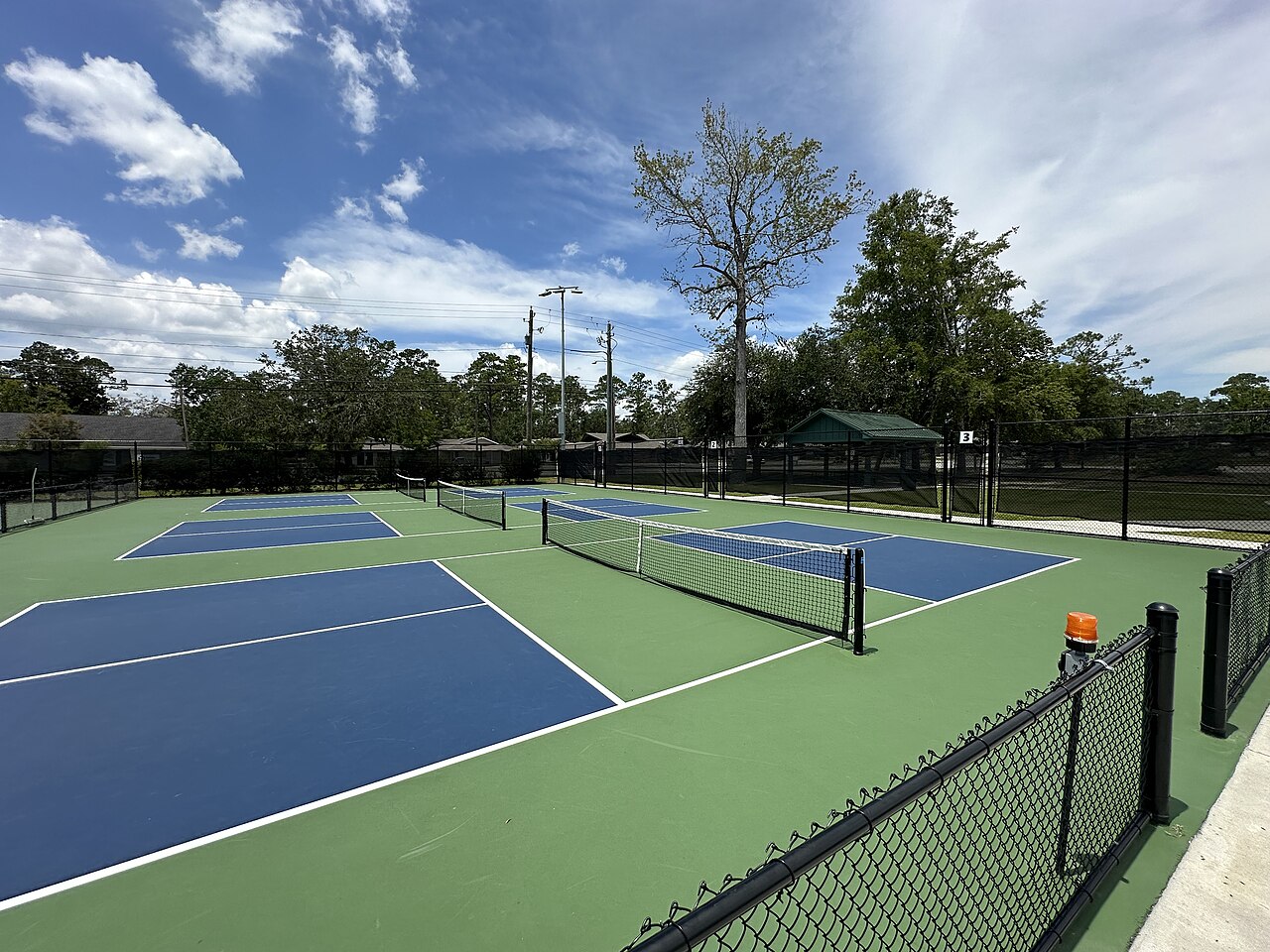
- Hard Court: Features a smooth and durable finish, which can lead to faster gameplay but may be harsher on your feet and knees.
Ball Bounce
- Clay: The ball tends to bounce higher and slower, which can lead to longer rallies. This is great for players who enjoy strategic play.
- Hard Court: Produces a faster bounce that can catch players off-guard, encouraging quicker reactions and faster-paced games.
Footing
- Clay: The softer surface allows for better grip and encourages players to slide into their shots, enhancing movement.
- Hard Court: While it provides solid footing, the firmness can lead to stress on joints, especially during quick movements.
Weather Impact
- Clay: Generally, it becomes muddy and unplayable after rain, limiting playability during wet conditions.
- Hard Court: More resilient to rain; dries quickly and remains playable in various weather conditions.
Maintenance
- Clay: Requires regular maintenance such as watering and rolling, making it more labor-intensive.
- Hard Court: Needs minimal upkeep, primarily occasional cleaning and repainting.
Who Is Best Suited for Each Surface?
- Clay Courts:
- Ideal for players who favor a strategic, baseline game.
- Great for those who want a joint-friendly surface.
-
Preferred by players who enjoy longer rallies and slower gameplay.
-
Hard Courts:
- Suited for players who thrive on speed and agility.
- Best for competitive players looking for quick points and fast-paced games.
- Recommended for those who want a low-maintenance playing option.
Final Verdict
Choosing between clay and hard courts ultimately depends on your playing style and physical needs. If you prefer strategic play with a softer impact on your body, go for clay. If you’re focused on speed and quick reflexes, then hard courts are your best bet. Both surfaces offer unique benefits that can cater to different preferences.
📚 Related Articles
Frequently Asked Questions
Q: Can I play pickleball on any type of court?
A: Yes, but the experience will vary significantly between surfaces like clay, hard, and even turf.
Q: Is one surface better for beginners?
A: Clay courts may be more forgiving for beginners due to their slower gameplay.
Q: How do I maintain a clay court?
A: Regular watering, rolling, and occasional resurfacing are key to maintaining clay courts.
Q: Are there specific shoes I should wear for each surface?
A: Yes, clay courts require specialized shoes for better grip, while hard courts can accommodate a wider range of court shoes.
Q: Does weather affect playability significantly on either surface?
A: Yes, clay courts are more susceptible to weather conditions, whereas hard courts are generally more resilient.
Feel free to check out pickleball gear and shoes on Amazon or official stores to find the best options for your playing surface!