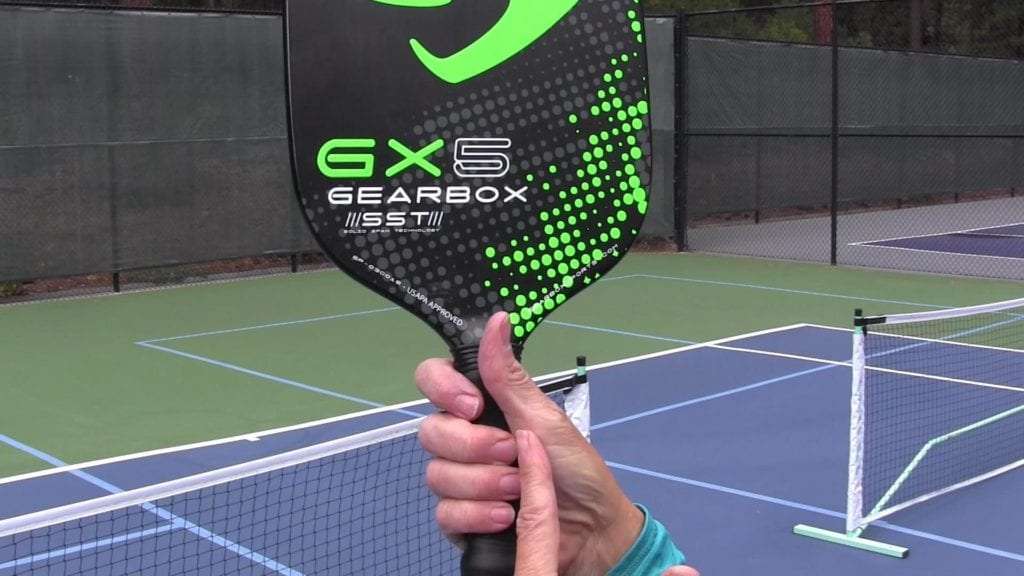
Understanding Grip Pressure in Pickleball
Grip pressure is the unsung hero of your pickleball game. Too tight, and you risk losing control; too loose, and your paddle may fly away on a powerful shot. Let’s dig deep into how you can fine-tune your grip pressure for peak performance!
Why Grip Pressure Matters
- Control: A balanced grip allows for precise shots.
- Power: Correct pressure can enhance your swing speed.
- Fatigue Reduction: Proper grip eases hand tension, keeping you fresh.
How to Find Your Ideal Grip Pressure
- Start with the Basics:
- Hold your paddle lightly, just enough to keep it from slipping.
-
Imagine you’re holding a small bird; you want to keep it safe without squeezing too hard.
-
Experiment with Pressure:
- Light Grip: Use this for finesse shots like dinks or drop shots.
- Medium Grip: Ideal for groundstrokes and volleys.
-
Firm Grip: Needed during serves and hard overhead shots.
-
Practice with Drills:
- Shadow Swinging: Without a ball, practice swings with varying grip pressures.
-
Target Drills: Set up targets on the court and focus on maintaining grip pressure while aiming.
-
Monitor Your Grip:
- Use a grip trainer or even a simple rubber band around your fingers to feel the pressure changes.
- Record your feelings after different shots; note what worked well.
Tips for Different Skill Levels
Beginners
- Focus on Lightness: Start with a light grip to develop touch and feel.
- Use a Benchmark: Try a paddle with a softer grip to ease into it.
Intermediate Players
- Balance is Key: Work on transitioning between light and firm grips during play.
- Video Analysis: Record yourself and analyze your grip pressure during different shots.
Advanced Players
- Fine-tune Your Feel: Pay attention to your grip during pressure situations.
- Adaptive Grip: Practice adjusting your grip mid-game based on your opponent’s play.
Common Mistakes to Avoid
- Over-Gripping: This can lead to tension and fatigue.
- Inconsistent Grip: Developing a consistent feel is crucial; practice makes perfect.
- Ignoring Hand Position: Ensure your grip aligns with your hand position for better control.
Conclusion
Improving your grip pressure in pickleball is not just about how tightly you hold your paddle. It’s about finding that sweet spot where control, power, and comfort unite. Practice these techniques, and you’ll notice significant improvements in your game!
For the best experience, consider checking out paddles from brands like Selkirk or Joola on Amazon to find one that feels just right in your hands.
Ready to upgrade your game?
Browse top-rated pickleball gear with free delivery on eligible orders.
📚 Related Articles
Frequently Asked Questions
Q: What is the best grip pressure for beginners?
A: Start with a light grip to develop touch. Gradually experiment with pressure as you gain confidence.
Q: Can grip pressure affect my serves?
A: Yes! A firm grip is essential for powerful serves, while a lighter grip is better for finesse.
Q: How can I tell if my grip pressure is too tight?
A: If your hands feel tense or fatigued, you may be gripping too tightly. Relax and adjust accordingly.
Q: Should I change my grip pressure during a match?
A: Absolutely! Adjust your grip based on the type of shot you’re making and your opponent’s play.
Q: What tools can help me measure grip pressure?
A: Grip trainers and rubber bands can help you feel the difference in pressure during practice.