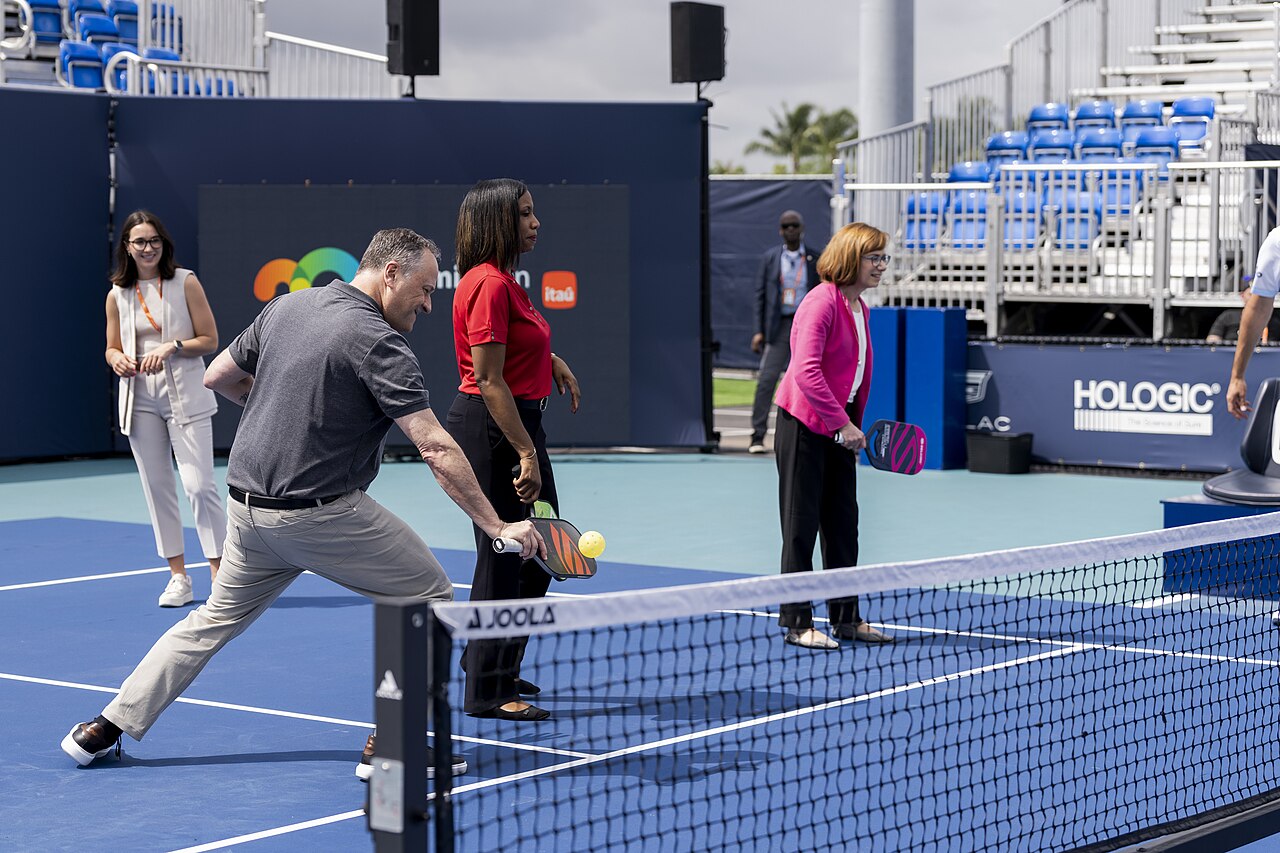
Why Pickleball is a Game-Changer for Rehabilitation
If you’re looking for an engaging way to speed up your sports recovery, look no further than pickleball. This dynamic sport combines elements of tennis, badminton, and ping pong, making it not only fun but also an effective tool for therapy and rehabilitation.
Benefits of Pickleball in Recovery
Physical Benefits
- Low Impact: The court size and gameplay reduce stress on joints, making it suitable for individuals recovering from injuries.
- Full-Body Workout: Engaging in pickleball activates various muscle groups, promoting overall strength and flexibility.
- Improved Coordination: The fast-paced nature of the game enhances hand-eye coordination, which is crucial for recovery.
Mental Benefits
- Stress Relief: Playing pickleball can significantly reduce anxiety and depression, fostering a positive mindset during recovery.
- Social Interaction: Engaging with others in friendly matches builds community and encourages emotional healing.
Getting Started: Essential Steps
1. Consult a Healthcare Professional
Before diving into pickleball as part of your rehab regimen, consult with your doctor or physical therapist to ensure it’s safe for you.
2. Choose the Right Gear
Selecting the right equipment is crucial for maximizing benefits and minimizing injury risks:
– Paddle Weight: Choose a paddle that feels comfortable; lighter paddles (6-7.5 oz) are ideal for those with limited strength.
– Ball Material: Opt for a ball that offers good bounce and durability. Polymer balls are generally recommended for recreational play.
– Footwear: Invest in good court shoes that provide support and traction to prevent slips.
3. Start Slow
- Begin with drills focusing on basic skills such as serving, volleying, and footwork.
- Gradually increase your game intensity and duration as your strength improves.
Incorporating Pickleball into Your Rehabilitation Plan
Structured Approach
- Set Goals: Define short-term and long-term goals for your recovery. This could be playing a certain number of games per week or improving specific skills.
- Schedule Regular Play: Aim for at least 2-3 sessions a week, with a mix of practice and match play.
Work with a Coach or Therapist
- Consider working with a pickleball coach who understands rehabilitation to tailor drills to your needs.
- A therapist can provide exercises that complement your gameplay, strengthening weak areas.
Advanced Techniques for Experienced Players
Focus on Specific Skills
- Work on your serve to enhance accuracy and placement.
- Incorporate reaction drills to improve your game speed and agility.
Use Video Analysis
- Record your play to analyze your technique. Identify areas for improvement and adjust your practice accordingly.
Join a League
- Engage with local pickleball leagues to compete and push your limits. The competitive environment can motivate you to enhance your skills.
Ready to upgrade your game?
Browse top-rated pickleball gear with free delivery on eligible orders.
📚 Related Articles
Frequently Asked Questions
Q: Can pickleball be played with injuries?
A: Always consult with a healthcare professional. Many players with minor injuries can still participate with modifications.Q: How often should I play?
A: Start with 2-3 times a week, adjusting based on your recovery progress and comfort level.Q: What are the best paddles for rehabilitation?
A: Look for lightweight paddles with a comfortable grip. Brands like Selkirk and Joola are great options available on Amazon.Q: Is there an age limit for playing pickleball?
A: Absolutely not! Pickleball is suitable for all ages and skill levels, making it an inclusive sport for everyone.
In conclusion, incorporating pickleball into your rehabilitation program can significantly enhance your recovery journey. With the right mindset and gear, you’re set to enjoy a fun and effective recovery process!