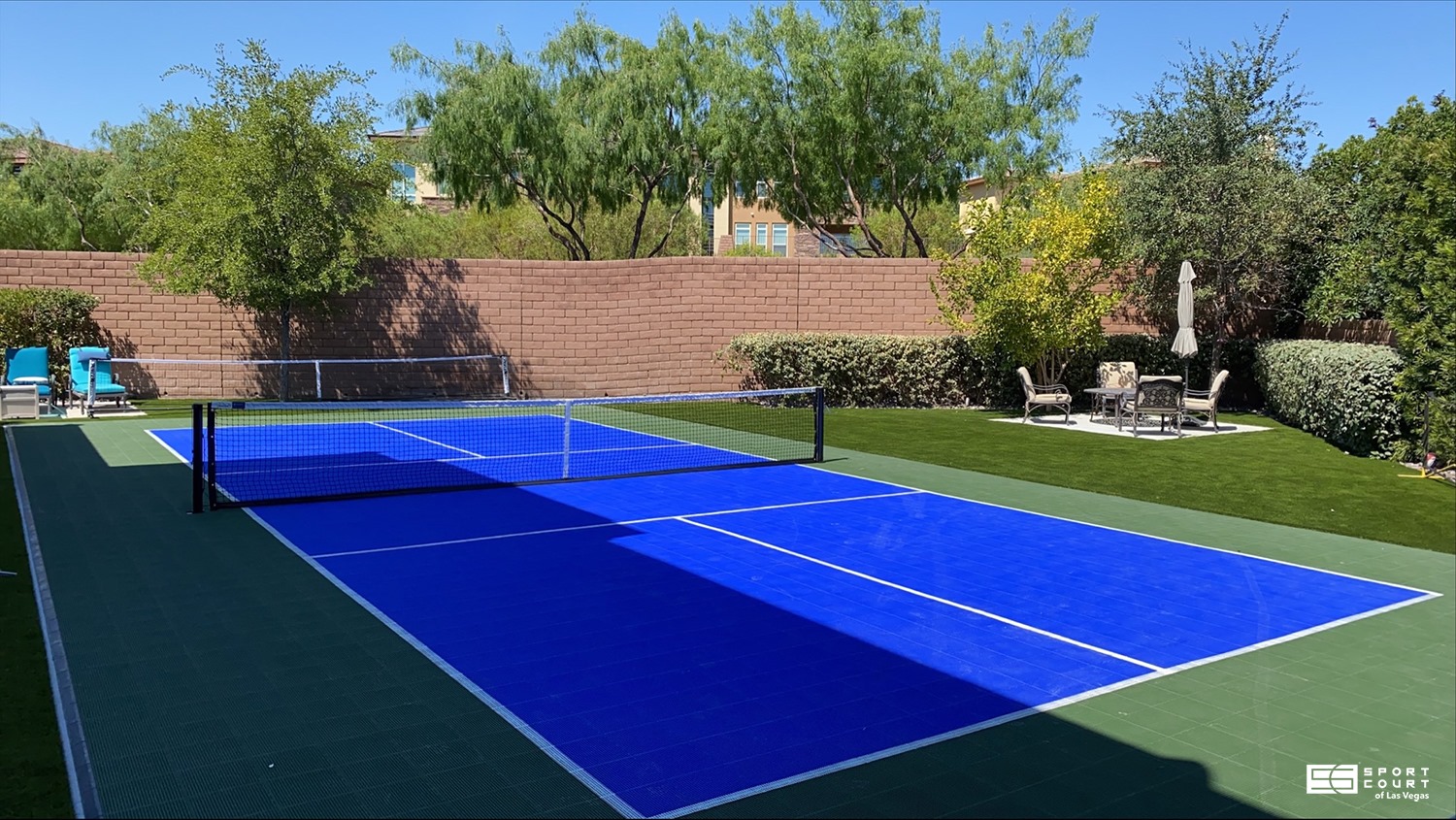
Understanding Pickleball Court Surfaces
When it comes to pickleball, the court surface can significantly impact your game. Different materials offer unique benefits and drawbacks that can affect everything from ball bounce to player comfort. Let’s dive into the various surface materials, their characteristics, and how to choose the best one for your needs.
Types of Pickleball Court Surfaces
1. Asphalt
- Durability: Very durable and can withstand heavy use.
- Speed: Moderate ball speed; offers a consistent bounce.
- Maintenance: Requires regular sealing and resurfacing.
2. Concrete
- Durability: Extremely durable, often lasting decades.
- Speed: Fast surface, excellent for advanced players.
- Comfort: Can be hard on joints; consider adding cushioning.
3. Acrylic Coating
- Durability: Provides a protective layer over concrete or asphalt.
- Speed: Offers a consistent medium-speed play.
- Colors: Available in various colors, enhancing aesthetics.
4. Gymnasium Floor (Wood or Synthetic)
- Comfort: Superior shock absorption, easier on joints.
- Speed: Offers a slower game, great for beginners.
- Maintenance: Requires regular cleaning and refinishing.
5. Turf
- Comfort: Excellent shock absorption, mimics grass feel.
- Speed: Slower than hard surfaces, great for casual play.
- Maintenance: Needs regular brushing and cleaning.
Key Factors to Consider
- Player Skill Level: Beginners may prefer softer surfaces, while advanced players might benefit from faster surfaces.
- Location: Outdoor courts experience weather-related wear; choose durable materials.
- Budget: Consider installation and maintenance costs over time.
Pro Tips for Choosing the Right Surface
- Test Before You Commit: If possible, play on different surfaces to see what feels best for you.
- Consider Local Climate: Choose materials that withstand your local weather conditions.
- Think About Use: Will the court be used for tournaments or casual play? This affects the choice significantly.
Ready to upgrade your game?
Browse top-rated pickleball gear with free delivery on eligible orders.
📚 Related Articles
Frequently Asked Questions
Q1: What surface is best for beginners?
A1: Beginners often benefit from softer surfaces like gym floors or turf, which provide better grip and comfort.Q2: How often should court surfaces be maintained?
A2: It depends on the material, but generally, hard surfaces like asphalt and concrete should be checked annually.Q3: Can I convert my backyard into a pickleball court?
A3: Yes! You can use materials like turf or acrylic coatings to create a suitable surface.Q4: What is the best surface for competitive play?
A4: Hard surfaces like concrete or acrylic-coated courts offer the best speed and bounce for competitive play.Q5: How do I ensure my court stays in good condition?
A5: Regular cleaning, sealing, and timely repairs can prolong the life of your court surface.
Conclusion
Choosing the right pickleball court surface is crucial for enhancing your game. Whether you’re a beginner or an advanced player, understanding the various materials will help you make an informed decision. Remember to consider your skill level, the court’s purpose, and your local climate. Now, go out there and find your perfect pickleball court surface!
For quality gear to enhance your pickleball experience, check out options from brands like Joola or Selkirk on Amazon.