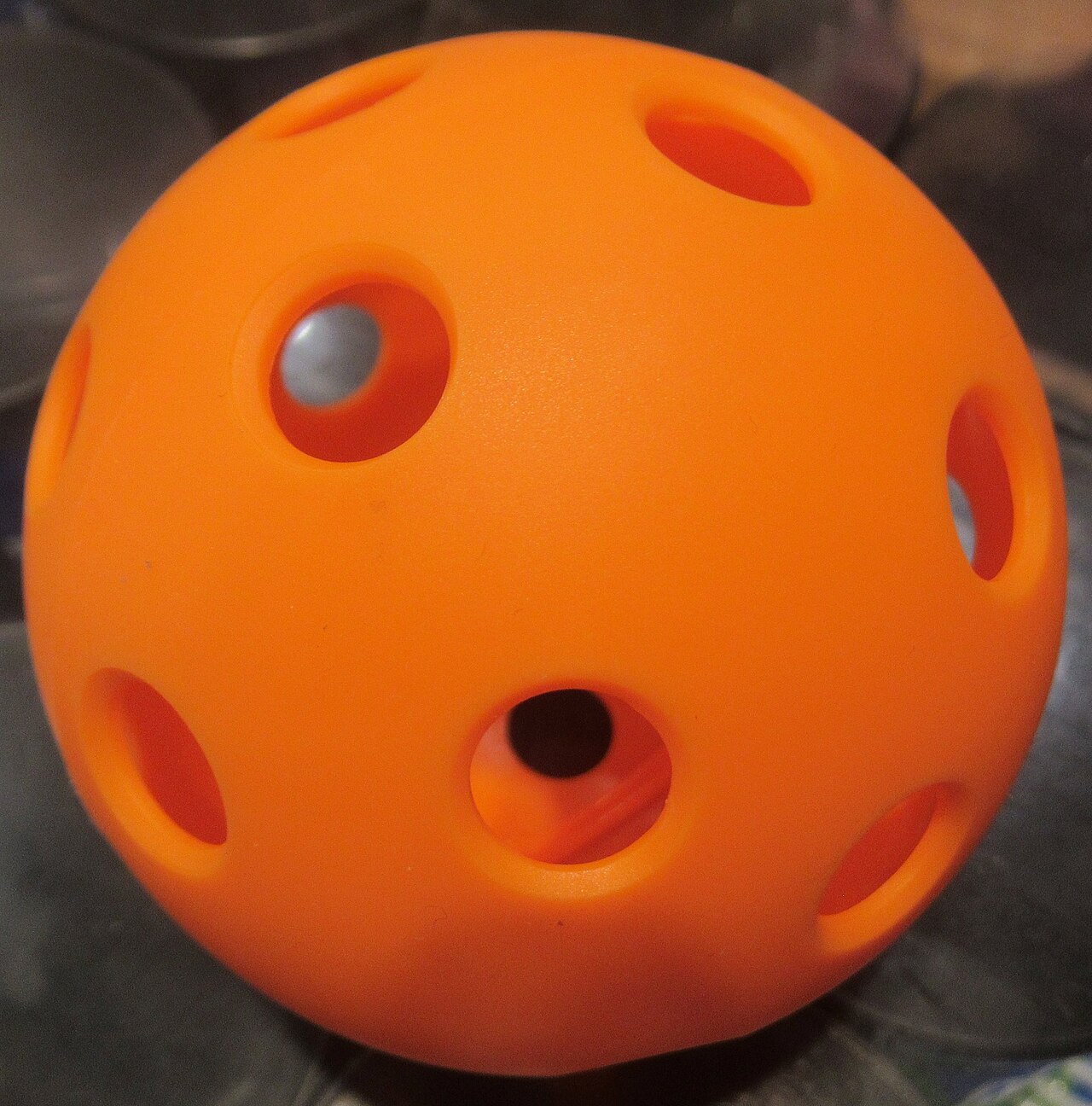
Ready to upgrade your game?
Browse top-rated pickleball gear with free delivery on eligible orders.
Why Plyometrics?
Plyometric exercises are your secret weapon for improving explosive movement on the pickleball court. These high-intensity, dynamic workouts enhance your speed, agility, and overall performance. Whether you’re a beginner or an advanced player, integrating plyometrics into your training can elevate your game to new heights.
What Are Plyometric Exercises?
Plyometrics involve rapid stretching and contracting of muscles, enabling you to generate maximum force. They improve:
– Power: Boosts your ability to hit the ball harder.
– Speed: Enhances your court coverage and reaction time.
– Agility: Develops quick directional changes.
Getting Started with Plyometrics
Before you dive into plyometric exercises, ensure you have:
– A solid fitness base: Basic strength and conditioning.
– Proper warm-up: Dynamic stretches to prepare your muscles.
Top Plyometric Exercises for Pickleball
Here’s a list of effective plyometric exercises tailored for explosive pickleball movement:
1. Box Jumps
- How to do it:
- Stand in front of a sturdy box or platform.
- Bend your knees and jump onto the box, landing softly.
- Step back down and repeat.
- Benefits: Builds leg power and explosiveness.
2. Jump Squats
- How to do it:
- Stand with feet shoulder-width apart.
- Perform a squat and explode upwards, jumping as high as you can.
- Land softly and go right back into the squat.
- Benefits: Enhances lower body strength and power.
3. Lateral Bounds
- How to do it:
- Stand on one leg, jump sideways to land on the opposite leg.
- Stabilize, then jump back to the starting leg.
- Benefits: Improves lateral movement, crucial for pickleball.
4. Burpees
- How to do it:
- Start standing, drop into a squat, kick your feet back into a plank.
- Return to squat and jump up explosively.
- Benefits: Full-body workout that builds endurance and power.
5. Skater Jumps
- How to do it:
- Jump sideways from one foot to the other, mimicking a skating motion.
- Land softly and maintain balance.
- Benefits: Develops agility and lateral strength.
Tips for Effective Plyometric Training
- Focus on form: Proper technique is crucial to avoid injury.
- Start slow: Gradually increase intensity as you become stronger.
- Rest adequately: Allow your muscles to recover between sessions.
- Integrate with other workouts: Combine plyometrics with strength and cardio training.
Sample Plyometric Workout Plan
Here’s a structured plan to get you started:
- Warm-up: 5-10 minutes of dynamic stretches.
- Box Jumps: 3 sets of 8-10 reps.
- Jump Squats: 3 sets of 10-12 reps.
- Lateral Bounds: 3 sets of 8-10 reps each side.
- Burpees: 3 sets of 5-8 reps.
- Skater Jumps: 3 sets of 8-10 reps each side.
- Cool down: 5-10 minutes of static stretching.
How Often Should You Train?
Aim for 2-3 plyometric sessions per week, allowing your body to recover adequately. Monitor your progress and adjust the intensity as you improve.
Frequently Asked Questions
Q: Can beginners do plyometric exercises?
A: Yes! Start with low-impact variations and focus on form before progressing.Q: How do I avoid injury while doing plyometrics?
A: Prioritize proper warm-up, technique, and recovery.Q: How long until I see results?
A: With consistent training, you can expect to see improvements in 4-6 weeks.
Conclusion
Integrating plyometric exercises into your training will undoubtedly enhance your explosive movement on the court. So, lace up those shoes and start jumping your way to pickleball glory! For gear to support your training, consider checking out quality equipment on Amazon or through official stores. Stay strong, stay agile, and let your game soar!